


When foreign companies enter the Japanese market, landing pages are often treated as a simple translation task. The assumption is that a clean Western layout, paired with Japanese copy, will perform just as well.
In reality, this approach frequently fails.
Japanese users engage with landing pages differently. What feels “too long” or “too busy” to a Western audience often feels reassuring, thorough, and trustworthy in Japan.
Japanese Landing Pages Follow a Different Logic
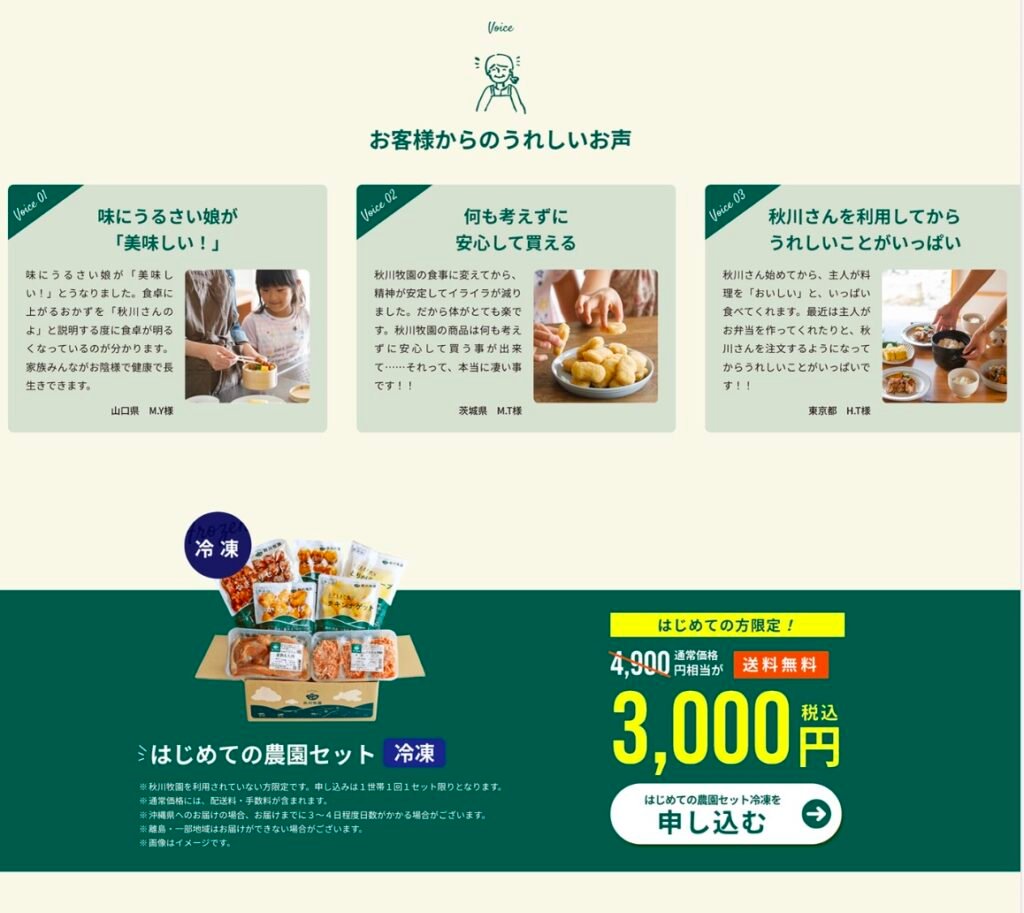
From a Western UX perspective, Japanese landing pages can appear:
- Text-heavy
- Information-dense
- Visually busy
But these characteristics are not design mistakes. They are intentional.
Japanese users often prefer to understand everything before making a decision. Rather than skimming, many users actively read, compare, and evaluate details.
Why Length and Detail Increase Trust in Japan
In Japan, trust is built through clarity and completeness.
The more information a landing page provides—when structured properly—the more confident users feel. Detailed explanations reduce uncertainty and show seriousness, transparency, and respect for the customer.
Common expectations include:
- Clear feature and specification breakdowns
- Step-by-step process explanations
- Pricing logic or structure
- Policies, guarantees, and post-purchase details
What looks excessive in Western markets often feels necessary in Japan.
“Busy” Design vs Structured Information
A Japanese landing page is not busy by accident.
Well-performing Japanese pages:
- Use many sections, but in a clear order
- Guide users step by step through the offering
- Reinforce trust repeatedly, not just once
- Answer questions before they are asked
The goal is not minimalism—it is reassurance.
Why Custom Japanese Landing Pages Convert Better
Sometimes the best solution is not adapting an existing Western page, but designing a custom Japanese-style landing page from the ground up.
A custom page allows you to:
- Control information flow
- Match Japanese reading behavior
- Adjust visual hierarchy
- Place trust elements where they matter most
This approach often leads to higher engagement and conversion rates.
Landing Page Localization vs Building a Separate Japanese Website
Many companies assume that entering Japan requires building a fully separate website. While that can be valuable long-term, it is not always the best starting point.
Focusing on landing page localization first offers several advantages.
Why Localized Landing Pages Are a Smart First Step
By localizing a landing page instead of an entire site, you can:
- Reduce development time
- Lower initial costs
- Test product-market fit in Japan
- Collect real user data and feedback
- Adjust messaging quickly
This approach allows you to validate demand before committing to a full Japanese website build.
Faster Testing, Better Decisions
A localized landing page makes it easier to:
- Run paid ads in Japan
- Test different messaging approaches
- Measure conversion behavior
- Learn what Japanese users respond to
This insight is difficult to gain from assumptions alone.
Common Mistakes to Avoid
When designing landing pages for Japanese users, common mistakes include:
- Over-simplifying content
- Removing “too much” information
- Hiding details behind accordions
- Using aggressive or vague CTAs
- Treating Japanese users like Western users
These choices often reduce trust rather than improve UX.
Designing for How Japanese Users Decide
Japanese landing page design is not about copying a visual style—it’s about respecting how decisions are made.
For many Japanese users:
- Reading equals reassurance
- Detail equals credibility
- Structure equals trust
Design that supports this mindset consistently performs better.
Final Thoughts
In Japan, a landing page is not just a conversion tool—it’s a trust-building environment.
Designing a Japanese-style landing page, even if it feels unfamiliar at first, often leads to stronger engagement and better results. And by focusing on landing page localization instead of a full site rebuild, you can enter the market faster, smarter, and with less risk.
Sometimes, more information isn’t noise—it’s confidence.